May 8, 2026
How to Organize Documents After Buying a House: A New Homeowner Checklist
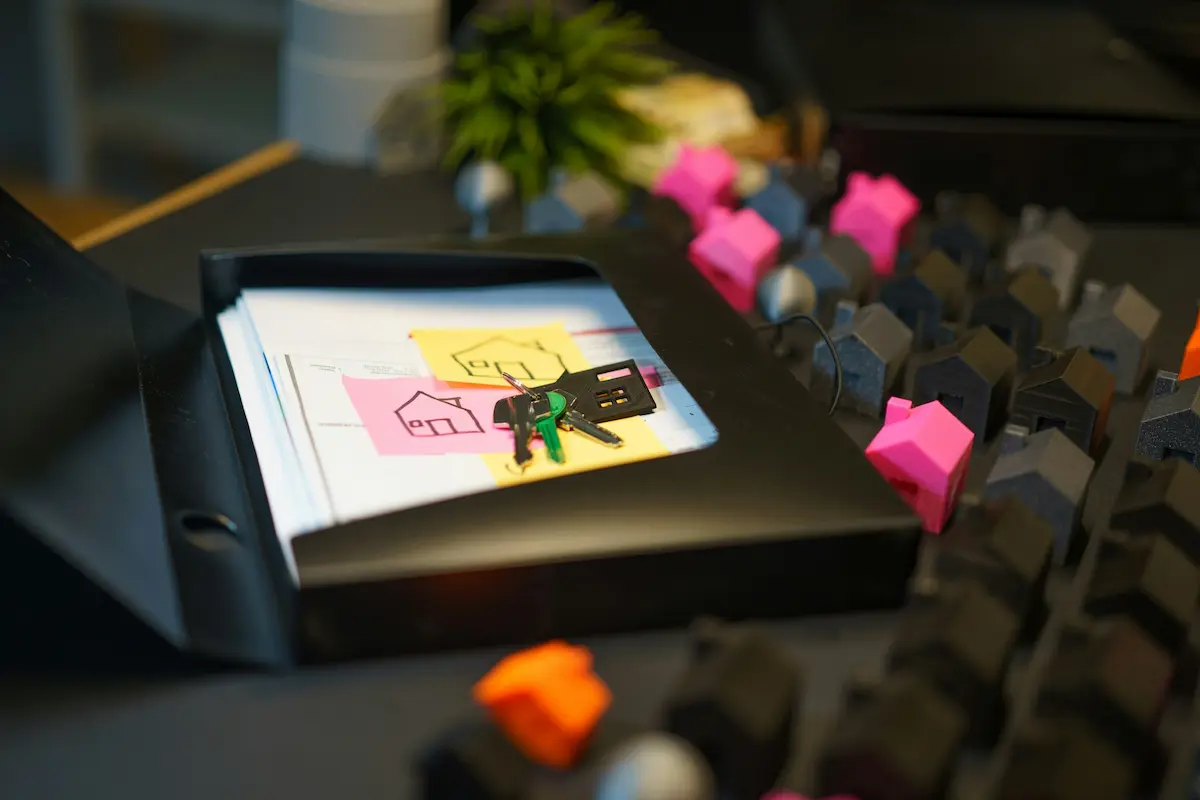
Closing day generates more paper than almost any other single event in your life. The closing disclosure, the deed, the title policy, the inspection report, the seller disclosures, the survey, the HOA bylaws if there are any, and a folder of things you signed but didn't fully read because you'd been in that conference room for three hours.
Most people put it all in a box, move in, and deal with it later. Later doesn't come. Two years down the road they spend an afternoon looking for the inspection report because something the inspector flagged is now actually broken.
The best time to get organized is the week after closing, before you're fully in moving mode.
What to keep forever
The deed, the closing disclosure, the title insurance policy, and the survey. These are the core ownership documents. Your county recorder has the deed on file but finding your own copy is faster. The closing disclosure you'll need for taxes eventually and again when you sell. The survey matters the moment there's any question about property lines.
If you have an HOA, those documents belong in permanent storage too. Bylaws, fee schedules, the contact for the board.
What to keep for a few years
The inspection report stays useful longer than people think. A good inspector catches deferred maintenance that doesn't fail immediately. Reading it again 18 months in, when something's starting to act up, is often instructive.
Seller disclosures belong in the same category. If something fails and you suspect the seller knew about it, that document is what you have.
What came with the house
Previous owners sometimes leave appliance manuals, warranty cards, and service records. These seem like noise but aren't. A roof replacement five years ago might still be within the contractor's workmanship guarantee. Service records tell you what's been maintained and what hasn't — useful both for budgeting repairs and for understanding the house you just bought.
Scan whatever looks important. Paper from a previous owner is not something you want to bet on long-term.
A system that actually holds
Before you start filing, decide on your categories. Trying to organize and categorize at the same time is how you end up with a bigger pile. The structure most people end up with: ownership, mortgage, insurance, HOA, appliances and systems, repairs and improvements, utilities, contacts.
Whether that's physical folders, Google Drive, or a home document app, the structure matters more than the tool.
The one habit worth building right now
File things the week you receive them. Not eventually. The week you receive them. Every time you say "I'll deal with that later" it goes in the box, and the box becomes the problem you're trying to solve two years from now.
The first month of homeownership is both the hardest time to build this habit and the most important time to do it.
Keep every home document in one place.
Vesta Binder stores your warranties, manuals, and records. Ask any question, get a cited answer in seconds.
Try free for 14 days